
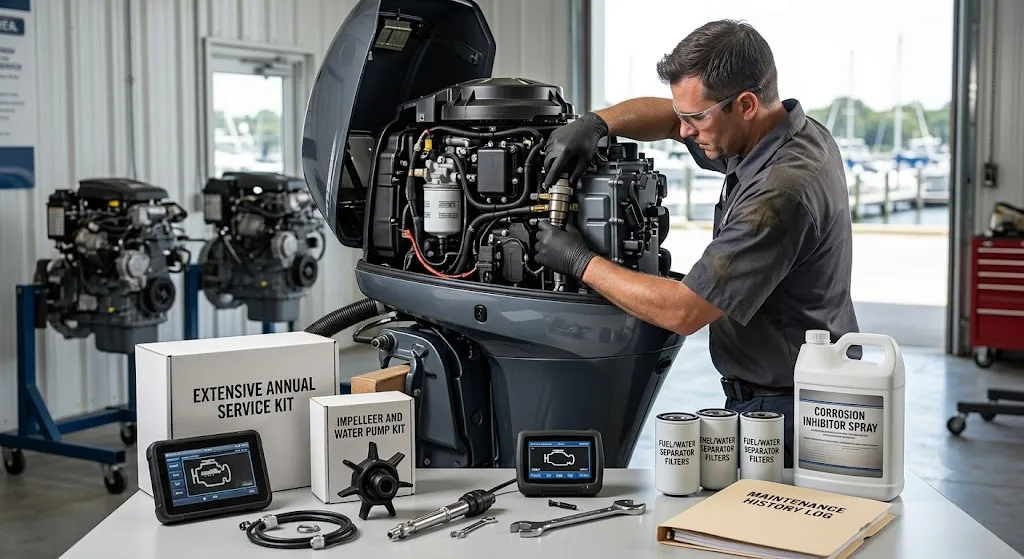
The price paid for an outboard motor is only the beginning of the ownership cost. Fuel, servicing, replacement parts, storage, maintenance, and the way the boat is operated can all influence how much the motor costs over several years.
When comparing Outboard Motors for Sale, buyers should look beyond the purchase figure. A motor that seems affordable at first may cost more to operate, while a higher-priced option may prove more practical if it matches the boat properly and requires less unnecessary effort.
Fuel Use Adds Up Quickly
Fuel is one of the most regular expenses associated with boating. The amount used depends on engine size, boat weight, cruising speed, propeller setup, and how heavily the vessel is loaded.
Long-distance boaters may notice fuel differences more than occasional weekend users. Running an engine at an efficient cruising speed can help control fuel consumption over time.
Engine Size Influences Running Costs
A larger engine can provide stronger performance, but it may also increase fuel use and service expenses. More horsepower is useful only when the boat and its normal workload genuinely require it.
Choosing the correct power range can help reduce unnecessary operating costs. An engine that is properly matched to the vessel should not need to work excessively hard during normal cruising.
Maintenance Is an Ongoing Expense
Every outboard requires routine servicing to remain dependable. Maintenance can include fluid changes, filters, spark plugs, cooling-system checks, propeller inspections, and other manufacturer-recommended work.
Skipping regular care may save money temporarily, but it can increase the chance of more expensive problems later. Planned maintenance is usually easier to manage than an unexpected repair during the boating season.
Saltwater Use Requires More Attention
Saltwater can increase corrosion risks, particularly when cleaning and flushing are neglected. Owners who boat regularly in coastal areas should include corrosion prevention in their long-term ownership planning.
Simple habits can make a difference. Rinsing the engine, checking exposed components, and following recommended flushing procedures may help protect important parts from unnecessary wear.
Parts Availability Matters Over Time
A motor may perform well, but ownership can become frustrating if replacement parts are difficult to source. Delays can keep the boat out of use for longer than expected.
Before purchasing, buyers should consider how easily common service parts can be obtained. Local dealer support and access to technicians may also influence the practical cost of keeping the motor running.
Propeller Setup Can Affect Efficiency
The propeller has a direct impact on how effectively the engine transfers power to the water. An unsuitable propeller may reduce acceleration, increase engine strain, or prevent the motor from operating within its intended range.
Correct propeller selection can improve the overall setup. It may also help the engine maintain better efficiency under the boat’s usual load and operating conditions.
Technology Can Add Practical Value
Modern outboards may include electronic controls, digital gauges, monitoring systems, and other features designed to improve operation. These features can be useful when they make boating easier or help the owner monitor engine performance.
Someone evaluating a Mercury Outboard should consider which features offer real value. Paying for technology that will rarely be used may not improve the ownership experience.
Usage Frequency Changes the Equation
An engine used several times each week experiences different wear from one used only a few times each season. Frequent boaters may place greater importance on fuel efficiency, easy servicing, and readily available parts.
Occasional users should still maintain the engine correctly between trips. Long periods of storage can create their own issues if fuel systems, batteries, or other components are neglected.
Storage Also Has a Cost
Boat owners often focus on what happens on the water, but storage can affect engine condition too. Proper preparation during long periods of inactivity can reduce the risk of avoidable problems.
This may include battery care, fuel treatment, cleaning, and other steps recommended for the specific motor. Good storage habits can make restarting and returning to regular use much easier.
Resale Value Should Not Be Ignored
Some owners keep the same engine for many years, while others upgrade more regularly. Condition, service history, age, and general market demand can influence resale value.
Keeping records of maintenance may help demonstrate that the motor has been cared for properly. Clean presentation and consistent servicing can also make the engine more attractive to a future buyer.
Conclusion
The true cost of an outboard motor extends far beyond the original purchase price. Fuel consumption, maintenance, storage, parts access, service support, and operating habits all influence what ownership costs over time.
Looking at these factors before buying can lead to a more informed decision. A motor that suits the boat, workload, and maintenance routine can provide better value than one chosen only because its initial price appears attractive.