
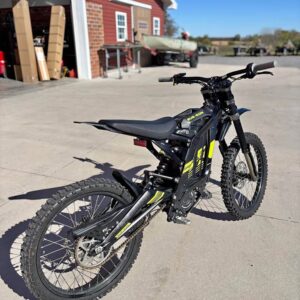
The solitary fishing boat traveling through the frozen Alaskan waters and the commuter riding silently through Berlinian traffic both have an implicit link. They both rely on changing mobility technologies that are influenced by the surroundings and the need. This paper discusses how Alaska marine engines and electric bicycles in Europe show how the changing priorities, economic conditions, and innovation transportation decisions are being made to influence changes in the way movement patterns in regions and the world at large.
Alaska’s Dependence on Waterways
The Alaska life is river, coast and remote way through which roads frequently vanish. Boats are used as transport, a means of livelihood and survival gear. The dependency leads to a regular need for efficient marine propulsion. The weather conditions of extreme temperatures, long travel, and harshness of use make performance a necessity, making marine engines one of the cornerstones of the working economy of Alaska.
Market Dynamics in Northern Regions
Purchasing behaviour is directly affected by economic activity that is connected to fishing, tourism and cargo transport. Among these trends lies the outboard engine sales Alaska, which show how the need to have especially fuels demand amid economic slows. Customers are more concerned with durability and efficiency rather than design. The market reacts by providing engines that have the ability to handle cold start, rough seas and longer working hours.
Innovation Transforming Marine Engines
Harsh environments now take on new dimensions with technological improvements. There is attention to digital engine controls, less emission, and consumption of less fuel. Sales of outboard engines in Alaska are enjoying the advantage of the lightness of materials and less noise. These enhancements favor the conservation of wildlife and also reduce the cost of ownership. Innovation forms the linkage between the traditional maritime and the modern sustainability needs without affecting performance.
Europe’s Shift Toward Electric Cycling
City Europe has overcrowding, the high cost of fuel, and environmental stress. Electric bicycles become a viable option and not a niche one. Here, the new Electric bikes in Europe & Germany are associated with a change of lifestyle and efficiency. Electric cycling has become a daily decision on commuting to the office and traveling elsewhere because of the investments in infrastructure that cities portray.
Germany’s Central Role in Adoption
Germany has a role to play in European electric mobility, as this country affects the mobility with engineering expertise and effective policy backing. The consumers believe in the domestic manufacturing standards and the reliability of batteries. The use of electric bikes across Europe and Germany is also successful because of incentives, safety, and the acceptance of cycling. E-bikes are aimed at professionals, students and elderly bikers, which broadens their range of interests way beyond the classic cycling demographics.
Shared Lessons Across Continents
Even though they have varying climates, the two markets emphasize adaptation using technology. The sales of outboard engines Alaska are based on survival, work efficiency, and endurance, whilst the Electric bikes in Europe and Germany are associated with sustainability and urban freedom. Every industry demonstrates the effectiveness of mobility solutions in accordance with local realities, regulations, and long-term economic value expectations.
Conclusion
Mobility markets are being ad-hoc and necessity-driven, whether in distant Alaskan islands or in a disciplined European urban center. The example of marine engines and electric bikes shows the way technology is adjusting to geography, culture, and regulation. Their development is an indicator of smarter, more efficient routes of transportation, which are formed due to the real-world needs and not only the tendencies. To continue the analysis and industry-related insights, visit speedsmotors.com to be up to date on the latest developments in the sphere of mobility globally and further perspective changes in the field of transportation.